
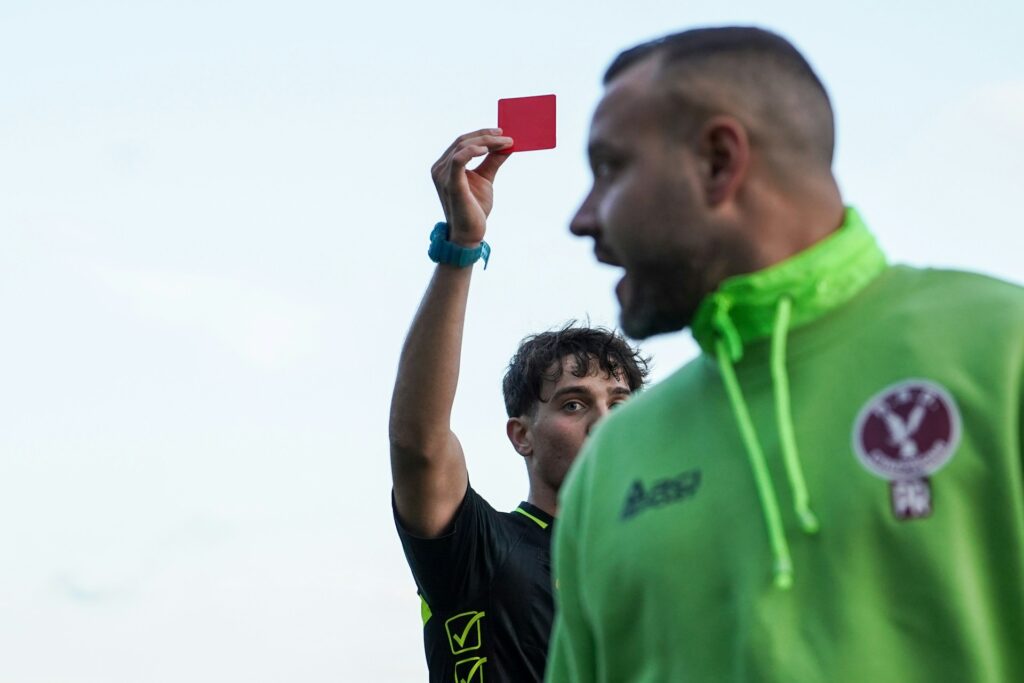
While learning the soccer card rules, players quickly discover how discipline shapes the flow and fairness of the game. These cards guide behavior on the field, reminding every athlete that respect and teamwork matter as much as skill. Understanding them helps players maintain composure and play within the spirit of the laws of the game.
What Are Soccer Cards and Why Do They Matter in the Laws of the Game
Soccer cards are the referee’s tools for managing discipline and safety. Introduced officially during the World Cup in 1970, the system allows referees to communicate decisions clearly in high-pressure situations. A card can be given to any player, substitute, or even a substituted player or team official for misconduct.
Importantly, cards maintain respect among players and officials. By signaling caution or dismissal, the referee ensures fairness and upholds the rules of the game. Without this system, emotions could escalate and compromise the flow of play, leading to chaos on the field of play.
How Many Cards Are in Soccer?
There are two main cards in professional soccer – the yellow card and the red card. Although some leagues have experimented with a blue card, FIFA officially recognizes only these two. Each card represents a different level of disciplinary action, from warning to dismissal.
In essence, the card is typically shown to caution or remove players depending on the offense. Yellow cards and red cards remind athletes to stay disciplined while competing fiercely. They are part of what makes soccer one of the most respected sports worldwide.
Yellow Card Meaning in Soccer
A yellow card is a formal warning issued for minor offenses or unsporting behavior. The referees use yellow to indicate a player’s need for restraint and improved conduct. Typical reasons include fouls, time-wasting, dissent, and delaying restarts.
Usually, when a yellow card is shown, it serves as an opportunity for players to adjust their attitude before facing a harsher punishment. When a player receives this caution, it’s not yet a dismissal but a clear notice to remain composed and respectful.
Yellow Card Suspension Rule
Accumulating yellow cards in a single competition can lead to suspension. For example, five yellow cards during a league season often result in a one-match ban. In tournaments like the FIFA World Cup, cards reset after the quarter-finals to ensure players don’t miss crucial matches unnecessarily.
However, when a player receives two yellow cards in the same match, the second yellow card automatically turns into a red card. This red card in soccer removes the player immediately and often leaves the team short-handed for the rest of the game.
Red Card Soccer Definition
A red card is the most severe disciplinary measure a referee can issue. This card indicates that a player must leave the field of play immediately, with no replacement allowed. The red card means an instant ejection from the match for serious misconduct.
When a player receives a red card, the team must continue with ten players. The punishment often includes being suspended for the next fixture. This system maintains fairness and ensures that dangerous or disrespectful behavior does not affect the integrity of the game.
Red Card Offenses Every Player Should Know
Understanding the major red card offenses helps players stay within acceptable behavior. These acts usually involve danger, aggression, or disrespect. Common red card results include:
- Serious foul play endangering another player
- Violent conduct or physical aggression
- Denying the opposing team a goal or an obvious chance
- Using abusive or insulting language
- Spitting at another player
- Handling the ball deliberately outside the penalty area
- Receiving a second yellow card in a match
- Unsportsmanlike conduct that escalates beyond control
When a player receives two yellow cards or commits one of these offences, the red card must be shown. The red card results in removal from play, often followed by a review from officials. Severe cases result in an automatic red with additional suspension or fines.
Red Card vs Yellow Card in Soccer: Key Differences
While both cards discipline players, they differ in severity. A yellow card serves as a warning, while a red card is given for serious acts. Simply put, two yellow cards in a match equal a red card, resulting in ejection.
In addition, the red card may carry match suspensions or league penalties. Meanwhile, receiving a yellow often has cumulative consequences but allows the player to continue competing. Both ensure matches remain respectful and competitive under the soccer rules.
What Happens When You Receive a Red Card in Soccer
Once a player receives a red card, they must leave immediately. A red card and ejected player cannot be replaced, leaving their team with ten. Moreover, a red card will be shown when behavior breaches essential sporting values.
Usually, the punishment continues beyond the match. Players may be suspended for the next game or more, depending on the offense. In serious cases, the disciplinary committee may extend bans to ensure future compliance with the laws of the game.
Soccer Card Rules for the Goalkeeper
Even the goalkeeper is not immune to soccer card discipline. When a goalkeeper receives a red card, the team must substitute another player to fill the role. Here are key rules that apply to goalkeepers:
- Must not commit a foul inside the penalty box
- Cannot deliberately delay play or time-waste
- Should avoid dissent toward the referee
- Must stay within their area during a penalty kick
- Can’t handle the ball outside the penalty area
If the goalkeeper within their penalty area commits misconduct, the referee may award a penalty kick or free kick, depending on the severity. Their removal changes team strategy drastically, especially if it happens late in the match.
Referee’s Role in Enforcing Soccer Card Rules
The referee manages player conduct using cards throughout every game. Referees’ key responsibilities include:
- Assessing fouls and misconduct accurately
- Deciding when to show a red card or caution
- Communicating clearly with players and coaches
- Applying the laws of the game consistently
- Ensuring the match remains safe and fair
Through their judgment, referees maintain authority and control. Therefore, their ability to interpret actions fairly ensures soccer stays enjoyable and competitive for everyone involved.
Free Kicks, Penalty Kicks, and the Card System
Whenever a player commits a serious foul, the referee might issue a free kick or penalty kick. The decision depends on where the incident occurs. If it’s inside the penalty area, the opposing team a goal opportunity through a penalty kick.
Moreover, offenses just outside the box lead to a free kick instead. Sometimes, both a card and a restart are awarded. These moments test discipline and strategy, especially under the pressure of defending against the opposing team.
Soccer Card Accumulation and Tournament Rules
Players who collect too many cards face suspensions during tournaments. For instance, in the FIFA World Cup, accumulation resets at later stages to avoid depriving key players of crucial matches. However, multiple cards throughout group play can still cause absences.
Often, a red or yellow card during elimination rounds can heavily influence results. Maintaining composure ensures that players remain available and that teams don’t lose strength due to avoidable suspensions in the next game.
How Yellow and Red Cards Promote Fair Play and Team Discipline
The yellow and red cards system does more than punish; it builds character. Here’s how it encourages discipline and unity:
- Promotes respect for officials and teammates
- Reduces reckless fouls and misconduct
- Reinforces accountability for one’s actions
- Teaches emotional control under pressure
- Builds stronger, more cohesive team culture
Consequently, the card system supports the values every successful team embodies – focus, fairness, and commitment to the game’s integrity.
Staying Professional: Avoiding Fouls and Penalties in Soccer
Professionalism extends beyond skill. Players must manage emotions and remain composed, especially after receiving a warning. Every penalty or foul avoided protects team momentum and confidence.
Ultimately, teams that play with respect perform better. Staying calm under pressure not only prevents suspensions but also demonstrates leadership and discipline – qualities that define champions in both spirit and style.
Build a Strong Team Identity with Custom Athletics USA
Just as discipline and teamwork define a great match, a unified look strengthens team pride. Custom Athletics USA helps every program look and feel their best on the field. Their expert designers create custom soccer uniforms that match each team’s spirit, colors, and goals.
From concept to delivery, they provide personalized guidance, pro-level design, and quick turnaround times. Every jersey uses performance-driven fabrics for durability and comfort, ensuring you’re always ready to compete. Explore Custom Athletics USA today and discover how your team can play – and look – like true professionals.
Final Thoughts
Understanding soccer card rules builds respect, unity, and professionalism. Whether it’s avoiding a red card or learning from a yellow card, disciplined play defines champions. With the right mindset – and the right look from Custom Athletics USA – every team can embody excellence, both in appearance and performance.