
For athletes and parents, soccer cleats vs baseball cleats often raises questions about performance and safety. Each cleat supports different movements, rules, and playing demands. Understanding design, traction, and structure helps players choose the right footwear. The right cleat can improve control, reduce injury risk, and elevate confidence on the field.
What Is a Cleat and Why Sport-Specific Design Matters
A cleat is footwear designed to grip grass, dirt, or turf. Sports that require cleats rely on traction for speed and balance. Cleats provide grip through studs or spikes placed on the outsole. That structure allows athletes to move with control on different surfaces.
Soccer and baseball place different demands on the body. Soccer players move continuously while changing direction often. Baseball players accelerate quickly and stop hard. Because of this, soccer and baseball cleats differ in shape, stud placement, and support. Using the wrong cleat can affect performance and safety.
Soccer Cleat Design Explained
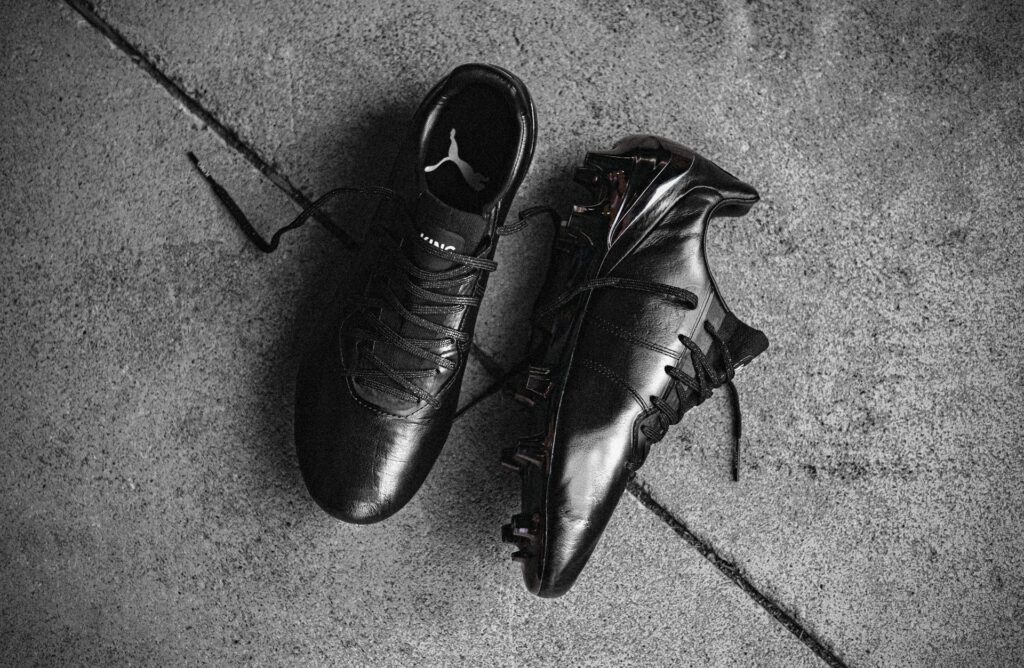
A soccer cleat focuses on speed, touch, and flexibility. The stud pattern uses conical or bladed shapes to enhance agility. This design keeps players closer to the ground. That closeness helps players to feel the ball during passes and shots.
The upper on a soccer cleat remains thin and flexible. This construction helps players kick with accuracy. A low-cut or low cut design improves ankle mobility. Soccer players rely on constant movement, so lighter materials support endurance and control across the pitch.
Baseball Cleats Breakdown
Baseball cleats emphasize explosive power and stability. Each pair has a toe element that supports fast starts. This toe spike improves grip when a batter launches from the box. It also helps during aggressive slides and stops.
The outsole on baseball cleats features deeper studs or spike layouts. Molded baseball cleats suit youth and amateur leagues. Metal cleats appear at higher levels, including league baseball. Baseball shoes often include a thicker midsole for added cushion during impact.
Key Differences Between Soccer and Baseball Cleats
The key differences between soccer footwear and baseball footwear begin at the sole. Soccer cleats avoid toe studs entirely. Baseball cleats have a toe stud for forward drive. Stud shape, length, and placement all differ.
The table below highlights what’s the difference clearly:
| Feature | Soccer Cleat | Baseball Cleats |
|---|---|---|
| Toe design | No toe stud | Extra toe stud |
| Stud shape | Conical studs | Spikes or molded studs |
| Weight | Lighter | Thicker and heavier |
| Movement focus | Lateral agility | Straight-line power |
| Playing area | Grass fields | Infield and outfield |
Soccer vs baseball cleats also differ in rules. League rules ban toe studs in soccer. Wearing baseball cleats on a soccer surface risks injury. These differences between soccer and baseball cleats matter for safety and performance.
Soccer vs Baseball Cleats: Can You Wear One for the Other?
Some athletes ask about soccer cleats for baseball. In casual settings, youth leagues may allow flexibility. However, wearing baseball footwear on a soccer pitch creates risk. Baseball cleats have a toe spike that can injure other players.
Soccer players should not wear baseball cleats. Baseball players also struggle when using soccer footwear. Soccer cleats lack the traction needed for running bases. Cleats aren’t interchangeable across sports. One pair rarely performs well for multiple sports.
Cleats for Soccer vs Baseball: Choosing the Right Option
Choosing cleats for soccer depends on surface, age, and competition level. Youth soccer leagues often restrict metal cleats. Baseball and soccer programs enforce different league rules. Parents should always check guidelines before buying.
Athletes should match footwear to movement demands. Soccer emphasizes lateral movement and ball control. Baseball emphasizes straight-line bursts and balance. The differences between soccer and baseball affect performance directly. Proper footwear helps players perform better and stay protected.
Soccer and Baseball Cleats vs Turf Shoes
Turf shoes serve as an alternative on artificial surfaces. Turf shoes work well for training or practice. They use small rubber studs instead of spikes. This design suits different surfaces and reduces stress on joints.
Turf shoes lack the aggressive traction of cleats. They should not replace game-day footwear. Soccer and baseball cleats still perform best on natural fields. Athletes should match footwear to playing surfaces to avoid slipping or fatigue.
Building a Complete Team Look with Custom Athletics USA
The right cleat supports performance, but appearance also matters. Custom Athletics USA helps teams reinforce identity through professional uniforms. Their custom jerseys match the demands of baseball and soccer programs nationwide.
Custom Athletics USA offers durable fabrics, fast turnaround, and full creative freedom. From youth soccer to softball and baseball players, teams trust their process. When players feel confident in their gear, they compete with purpose and pride.